 (Image via
Smart home technology continues to evolve rapidly, and 2026 is shaping up to be a year defined by deeper automation, improved energy efficiency, and more intuitive user experiences. What once felt like luxury—voice assistants, smart lighting, and app-controlled thermostats—has now become standard. The latest generation of devices goes even further, focusing on seamless integration, personalization, and long-term cost savings.
If you’re considering upgrading your home, understanding the newest smart devices can help you make choices that enhance convenience, security, and overall quality of life.
The Shift Toward Smarter, More Connected Homes
Modern smart homes are no longer about isolated gadgets. The trend in 2026 is full ecosystem integration, where devices communicate with each other to create a unified experience.
For example, your lighting, thermostat, and security system can now work together automatically. Lights adjust based on natural daylight, climate systems respond to occupancy, and security cameras sync with motion sensors to provide real-time alerts.
This level of connectivity reduces the need for constant manual control and makes everyday living more efficient.
AI-Powered Smart Assistants
Smart assistants have become more intelligent and context-aware. In 2026, they do more than respond to commands—they anticipate needs.
These upgraded systems can:
- Learn your daily routines and adjust settings automatically
- Provide proactive reminders based on habits
- Integrate with multiple devices for centralized control
Voice interaction has also improved significantly, with more natural conversations and better understanding of complex requests. This makes managing your home feel less like using technology and more like interacting with a helpful assistant.
Advanced Smart Thermostats for Energy Efficiency
Energy efficiency is a major focus in 2026, and smart thermostats are leading the way. New models use advanced sensors and AI to optimize heating and cooling based on your habits and local weather conditions.
They can detect when you’re home or away, adjust temperatures accordingly, and even suggest energy-saving settings. Over time, these systems can significantly reduce utility bills while maintaining comfort.
Some models also integrate with renewable energy systems, helping homeowners make more sustainable choices.
Smart Lighting That Adapts to Your Lifestyle
Smart lighting has moved beyond simple app control. In 2026, lighting systems are designed to enhance both comfort and well-being.
Features now include:
- Automatic brightness adjustment based on time of day
- Color temperature changes to support sleep cycles
- Motion-activated lighting for convenience and security
These systems can create different “scenes” for activities like working, relaxing, or entertaining, all with minimal effort.
Next-Generation Home Security Systems
Security technology has become more sophisticated and user-friendly. Modern systems combine cameras, sensors, and AI to provide comprehensive protection.
New features include:
- Facial recognition for identifying familiar faces
- Real-time alerts with detailed context
- Integration with smart locks and lighting
Some systems can even differentiate between routine activity and potential threats, reducing false alarms and improving reliability.
Smart Kitchen Appliances
The kitchen is becoming one of the most connected areas of the home. Smart appliances in 2026 are designed to simplify cooking, reduce waste, and improve efficiency.
Examples include:
- Refrigerators that track inventory and suggest recipes
- Ovens that adjust cooking settings automatically
- Dishwashers that optimize water and energy usage
These devices not only save time but also help streamline daily routines, making meal preparation more convenient.
Home Health and Wellness Devices
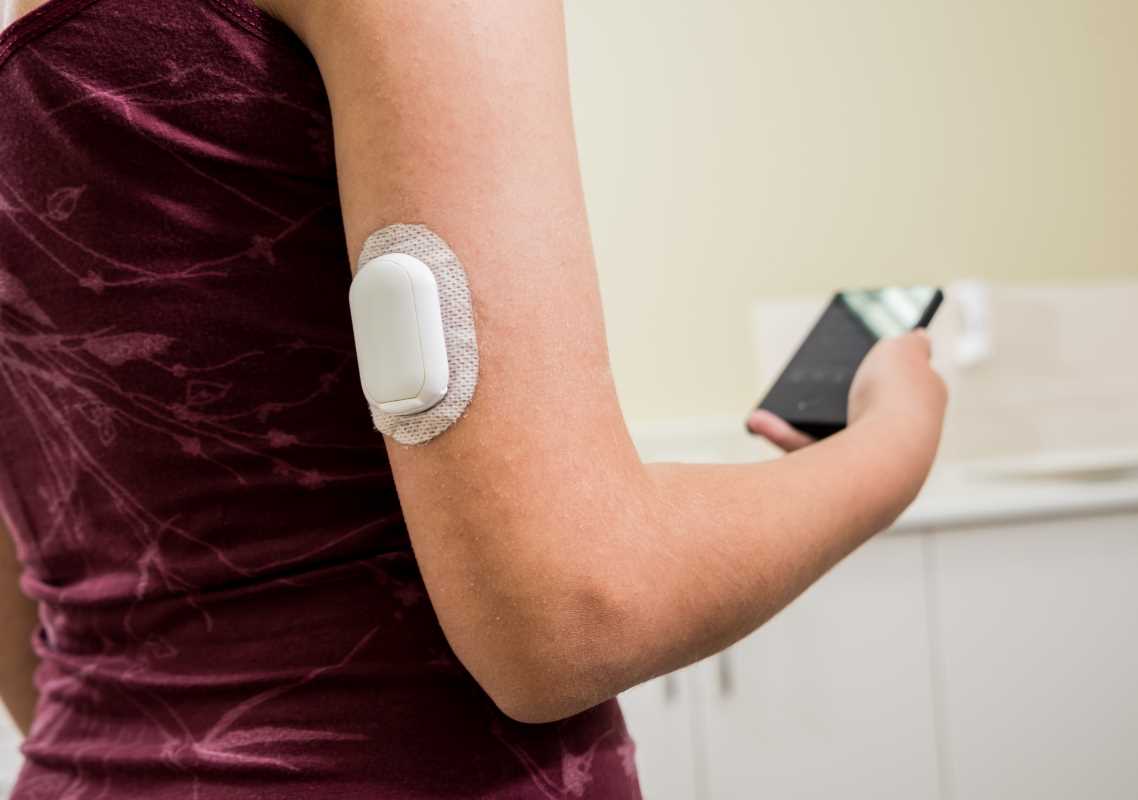
A growing trend in smart home technology is the focus on health and well-being. Devices are now designed to monitor and improve indoor environments.
Popular options include:
- Air quality monitors that track pollutants and allergens
- Smart purifiers that adjust automatically
- Sleep-focused devices that optimize bedroom conditions
These tools help create a healthier living space, which can have a direct impact on overall well-being.
Smart Home Hubs and Matter Integration
One of the biggest advancements in recent years is the adoption of universal standards like Matter. This technology allows devices from different brands to work together seamlessly.
In 2026, smart home hubs are becoming more powerful and easier to use. They act as the central control system, connecting all devices into a single, cohesive network.
This eliminates compatibility issues and makes it easier to expand your smart home over time.
Automated Cleaning and Maintenance Devices
Robotic cleaning devices continue to improve, offering more advanced navigation and automation.
Modern options include:
- Robot vacuums with mapping and obstacle detection
- Smart mops that adjust cleaning intensity
- Lawn care robots for outdoor maintenance
These devices handle routine tasks with minimal input, freeing up time for more important activities.
Smart Water and Energy Monitoring Systems
Resource management is another key focus for 2026. Smart systems now provide detailed insights into water and energy usage, helping homeowners identify inefficiencies.
Features include:
- Leak detection with automatic shutoff
- Real-time energy monitoring
- Usage reports and optimization suggestions
These tools not only reduce costs but also support more sustainable living practices.
Choosing the Right Smart Devices for Your Home
With so many options available, it’s important to choose devices that align with your needs and lifestyle. Start by identifying areas where automation can provide the most benefit—such as energy savings, security, or convenience.
It’s also wise to prioritize compatibility. Devices that support universal standards and integrate easily with other systems will provide a smoother experience in the long run.

.jpg)